 Aurora K
 Wae Rebo Village in Manggarai, Flores, offers the uniqueness of the Mbaru Niang traditional house, natural beauty, and various cultural activities and educational tourism rich in tradition.
Wae Rebo Village, a traditional village located in Manggarai Regency, East Nusa Tenggara, is one of the cultural tourism destinations that offers extraordinary views, while also presenting the uniqueness of strong traditions.
Famous for its cone-shaped Mbaru Niang traditional house, this village not only offers captivating natural beauty but also provides an opportunity for tourists to learn directly about the lives of the local people, who still hold fast to hereditary traditions.
The existence of Wae Rebo Village which is at a high altitude and surrounded by clusters of hills makes this place ideal for those who want to enjoy authentic Indonesian nature and culture.
History and Culture of Wae Rebo Village
Wae Rebo Village has an interesting history related to the origins of its founder. This village was founded by a man named Empu Maro who came from Sumatra Island.
After traveling to Labuan Bajo, Empu Maro chose to settle in this village and establish a settlement that eventually became known as Wae Rebo.
Throughout its history, the people of Wae Rebo Village have Minangkabau ancestry, which shows a strong cultural relationship between Flores and Sumatra.
The lives of the Wae Rebo people are closely tied to customs and traditions that are still maintained to this day.
One tradition that is still well maintained is the Penti ceremony, which is carried out as an expression of gratitude for the harvest and life given by nature.
In addition to the Penti ceremony, you can also interact with the community to learn more about their culture, from how to farm coffee to weaving Wae Rebo’s typical woven cloth.
Attractions and Activities in Wae Rebo Village
1. Enjoying Nature by Hiking
For those of you who like adventure and hiking, Wae Rebo Village is the right place to explore. The journey to this village requires extra effort, because you have to climb about 3 kilometers or about 2 to 3 hours.
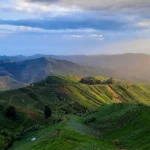
However, throughout the journey, you will be spoiled with views of the endemic flora and fauna typical of Flores that are so stunning. The views of the mountains, valleys, and green tropical forests make this trip unforgettable.
2. The Charm of the Mbaru Niang Traditional House
Upon arriving at Wae Rebo Village, the tiring journey will be paid off with the beauty that awaits.
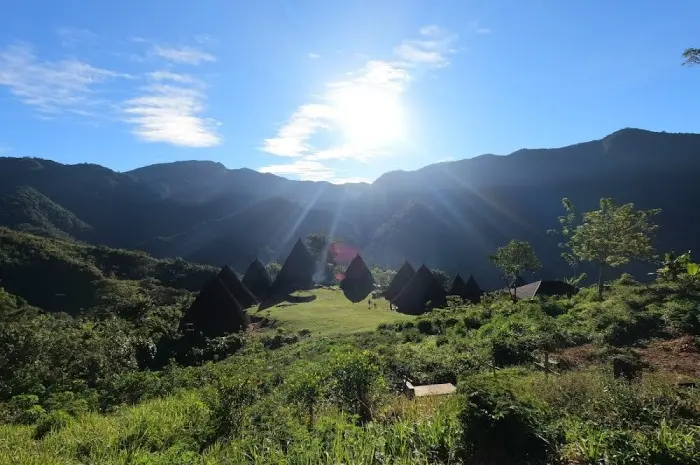
One of the main attractions of this village is the Mbaru Niang traditional house which has a unique cone-like shape.
There are seven Mbaru Niang traditional houses standing in the middle of the village, surrounded by a cluster of green and enchanting hills.
The uniqueness of the architecture of this traditional house is a very strong attraction for tourists, who can learn about how the traditional house was built and the philosophical meaning behind it.
3. Staying in a Wae Rebo Traditional House
One of the best ways to experience life in Wae Rebo Village is to stay in one of the Mbaru Niang traditional houses.
Staying in this traditional house gives you the opportunity to experience the daily life of the Wae Rebo people, from processing coffee, weaving traditional cloth, to participating in traditional activities.
You can experience a “live-in” experience that allows you to interact directly with the villagers, understand their routines, and witness traditional ceremonies that take place in the village.
4. Witness the Penti Traditional Ceremony
The Penti Ceremony is one of the most anticipated events in Wae Rebo. This ceremony is held as an expression of gratitude for the abundant harvest and life given by nature.
During the ceremony, there are traditional dances, slaughtering of sacrificial animals, and various other rituals that are very sacred to the Wae Rebo community.
The Penti Ceremony is usually held from July to September, and is one of the tourist attractions that should not be missed, especially if you visit at the right time.
5. Hunting for Cool Photos in Wae Rebo
Wae Rebo is a paradise for photographers. Every corner of this village has extraordinary photo potential.
You can take photos on the top of the hill with the iconic Mbaru Niang traditional house in the background, or take exotic pictures of cheerful Wae Rebo children.
Morning in Wae Rebo Village is also a great time to take photos, because the sunlight that enters through the gaps in the roofs of the traditional houses creates a stunning lighting effect.
6. Wae Rebo Becomes UNESCO Cultural Heritage
In August 2012, Wae Rebo was named a World Cultural Heritage by UNESCO. The natural beauty and cultural richness of this village have made it successful in gaining international recognition.
This village is part of the UNESCO cultural conservation site that preserves the traditions, architecture, and uniqueness of local culture.
This recognition further strengthens Wae Rebo’s position as an important tourist destination and must be visited by culture and nature lovers.
7. Learn to Make Local Crafts
One of the interesting activities when visiting Wae Rebo Village is seeing and learning to make local crafts. The people of Wae Rebo are famous for their skills in making woven fabrics, woven cloth, and coffee.
You can witness firsthand the process of making traditional woven cloth with rich-colored songke, congkar, and rebong motifs.
In addition, you can also see the process of making Flores coffee, from picking coffee beans in the garden to processing them into coffee powder that is ready to be brewed. You can buy these handicrafts as souvenirs typical of Wae Rebo to take home.
Location and Access to Wae Rebo Village
Wae Rebo Village is located in Manggarai Regency, East Nusa Tenggara, and is one of the most isolated villages in Flores.
To get to this village, tourists must take a long journey from Labuan Bajo, about 4 to 5 hours using two-wheeled or four-wheeled vehicles, and then continue trekking for 2 to 3 hours.
This village is located at an altitude of about 1,200 meters above sea level, among green hills that add to the beauty of the scenery.
Although the journey to Wae Rebo is quite challenging, the natural beauty and culture in this village make it worth exploring.
Facilities in Wae Rebo Village
Although it is in a fairly remote location, Wae Rebo Village has been equipped with basic facilities that are adequate enough to support the needs of tourists.
Several basic facilities such as electricity, toilets, and clean water are already available in this village.
However, communication signals and internet networks are still very limited in this area, which can actually be an opportunity to really enjoy quality time with family or partners without technological interference.
Wae Rebo Village in Manggarai, Flores, is a tourist destination that offers an unforgettable experience for tourists.
With stunning natural beauty, unique Mbaru Niang traditional houses, and cultural richness that is still preserved, Wae Rebo is the right choice for those who want to experience authentic traditional life in Indonesia.
If you are looking for an adventure that combines nature, culture, and history, Penglipuran Village is a must-visit destination.